
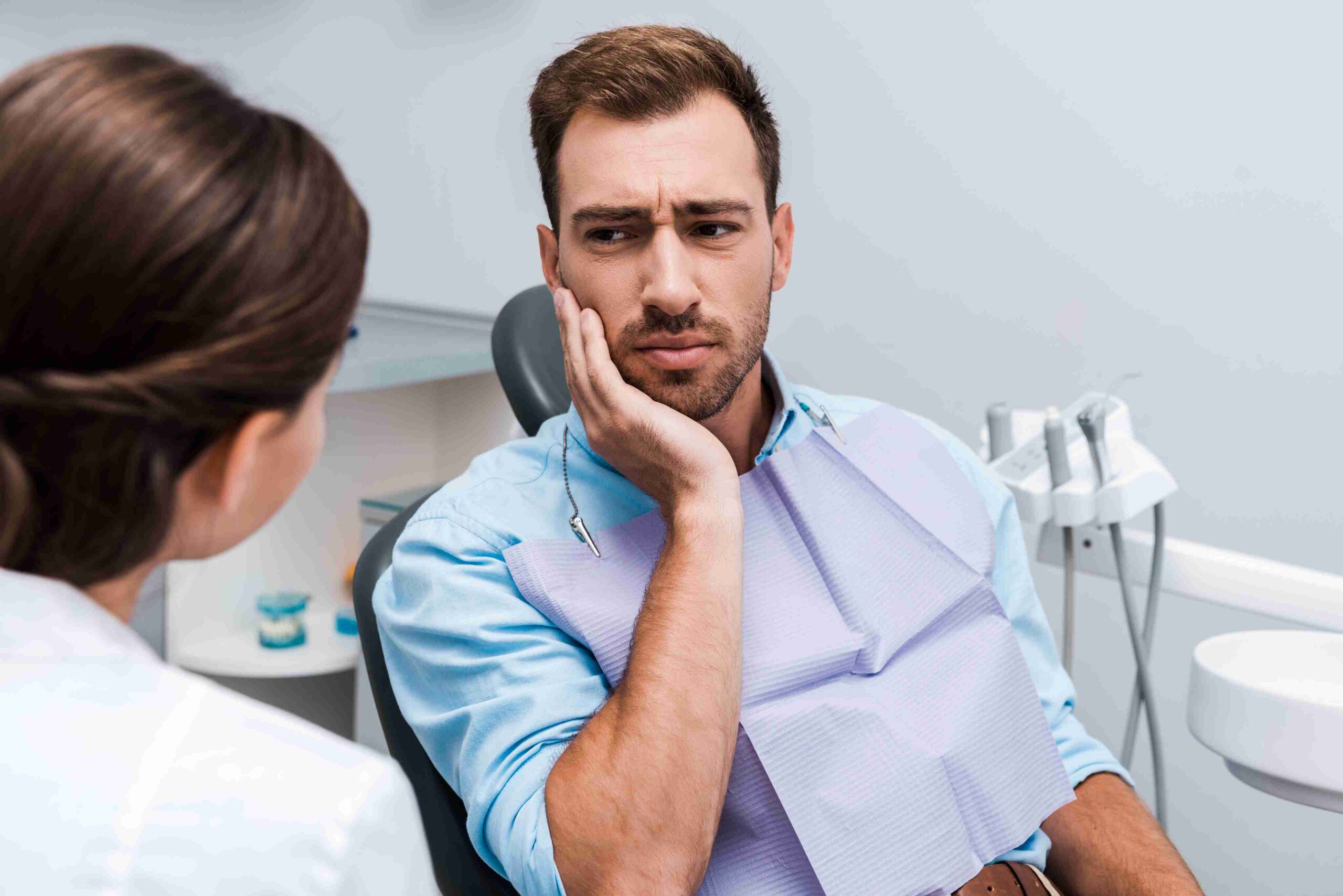
Dental crowns in Nanaimo, BC may help protect teeth that are cracked, heavily filled, worn, broken, or weakened when a filling may not provide enough support. A crown covers the visible part of the tooth and is shaped to fit the bite after the tooth is evaluated. Nanaimo patients may need a crown after large decay, fracture, root canal treatment, severe wear, or a failing restoration, depending on tooth strength and oral health.
A weakened tooth may not feel urgent at first. It might have a rough edge, a large old filling, a small crack, or sensitivity when chewing on one side. Some Nanaimo patients only notice a problem when food keeps catching or a tooth starts to feel different from the rest.
Patients searching for dental crowns in Nanaimo, BC often want to know whether a crown can protect a tooth before it breaks further. A crown may be recommended when a tooth needs more coverage than a filling can provide.
A dental exam comes first. The dentist needs to check the tooth, gums, bite, symptoms, X-rays when needed, and the amount of healthy tooth structure left before recommending a crown or another type of restoration.
What a Dental Crown Does
A dental crown is a restoration that covers the visible part of a tooth. It helps restore shape, chewing function, and support when a tooth has been weakened by damage or previous treatment.
Crowns may be used for cracked teeth, large cavities, worn teeth, broken cusps, heavily filled teeth, or teeth that have had root canal treatment. The goal is to protect the remaining tooth structure when the tooth can still be restored.
A crown does not make a tooth free from future care. The tooth, gumline, crown edges, and bite still need daily cleaning and routine dental checks.
When Dental Crowns Nanaimo BC May Be Recommended
Dental crowns in Nanaimo, BC may be recommended when the remaining tooth needs more strength and coverage than a smaller filling can offer. This decision depends on the tooth’s condition, not only how it looks.
A crown may be considered for a broken tooth, a deep crack, a large old filling, severe wear, or decay that has removed much of the tooth structure. It may also be recommended after root canal treatment on back teeth.
The dentist should explain why a crown is suitable. Tooth strength, crack depth, decay size, bite pressure, gum health, and long-term cleaning access to all matters.
Crowns Compared with Fillings
A filling repairs a smaller area inside or on the surface of a tooth. It may work well when enough healthy teeth remain around the damaged area.
A crown covers more of the tooth. It may be a better option when a tooth has a large cavity, broken cusp, deep crack, or filling that takes up much of the tooth.
Nanaimo patients asking about a tooth crown in Nanaimo BC should ask why a filling may not be enough. A smaller repair can be useful when suitable, but a weak tooth may need more protection.
Cracked Teeth Need Careful Testing
Cracks can be hard to judge by sight alone. A tooth may look mostly normal but hurt when biting or when pressure is released.
Cracks may happen because of grinding, clenching, older fillings, trauma, or chewing hard foods. Some cracks stay limited, while others may move deeper toward the nerve or root.
A crown may help protect selected cracked teeth by holding the tooth together while chewing. If a crack extends too deep, root canal treatment or another option may be needed after evaluation.
Large Fillings Can Leave Teeth Vulnerable
A large filling can leave a less natural tooth around it. Over time, the remaining tooth walls may chip, crack, or flex under chewing pressure.
Patients may notice a sharp edge, food trapping, sensitivity, or loose filling. Sometimes the dentist finds weakness during an exam before pain starts.
If enough tooth remains, a crown may help protect the structure. If the tooth is too damaged to support a crown, the dentist may discuss other treatment choices.
Crowns After Root Canal Treatment
A tooth that has had root canal treatment may need a crown, especially if it is a back tooth. Back teeth handle strong chewing forces.
Root canal-treated teeth may already be weakened by decay, fractures, old fillings, or the opening needed during treatment. A crown can help protect the tooth from future cracking when recommended.
Not every tooth needs a crown after root canal treatment. Tooth location, remaining structure, bite pressure, and appearance need to guide the decision.
Bite Pressure Matters for Crown Success
A crown must fit the bite carefully. If too much force lands on one area, the tooth or restoration may feel sore or become stressed.
The dentist may check for grinding, clenching, worn enamel, jaw tightness, and uneven contacts. These signs can affect crown design and follow-up care.
Nanaimo patients should mention morning jaw soreness, teeth that feel tired, or a history of broken restorations. Bite habits can influence long-term performance.
Temporary Crowns and Final Fit
Some crown treatments involve a temporary crown while the final crown is being made. A temporary crown protects the prepared tooth and helps maintain space.
Temporary crowns are not designed for heavy chewing or long-term use. Sticky or hard foods may loosen them.
The final crown is checked for fit, bite, shape, and comfort before it is placed. Patients should report if the bite feels high, sharp, rough, or uneven after placement.
Caring for a Crowned Tooth
A crowned tooth still needs daily cleaning. Plaques can collect where the crown meets the natural tooth near the gumline.
Patients should brush with fluoride toothpaste and clean between teeth every day. Floss, small brushes, or other tools may be suggested depending on the crown location.
Routine visits help monitor crown edges, gum health, bite pressure, and the tooth beneath the crown. A crown protects the structure, but it does not replace prevention.
What Patients May Value from Crown Treatment
Dental crowns may help protect teeth that need more support than a filling can provide.
Patients may value:
- Coverage for a weakened tooth
- Support for a cracked or broken cusp
- Protection after root canal treatment when needed
- Restoration of chewing shape
- Bite pressure review
- Replacement planning for failing large fillings
- Custom fit and contour
- Long-term cleaning guidance
These benefits depend on diagnosis, tooth structure, gum health, bite fitness, and daily care.
What to Expect Before During and After
Before crown treatment, the dentist evaluates the tooth, gums, bite, symptoms, existing restorations, and X-rays when needed. The goal is to confirm whether a crown is the right option.
During treatment, the tooth is prepared; records are taken, and a temporary crown may be placed when needed. Local numbing is commonly used.
After the final crown is placed, the dentist checks the bite and fit. Mild adjustment may be needed if the crown feels high, rough, or uncomfortable when chewing.
Local Patient Review
“I thought the old filling just needed replacing, but the exam showed why the tooth needed more support. The explanation helped me understand the crown recommendation.”
Protecting a Tooth Before More Damage Happens
Dental crowns may help Nanaimo patients protect weakened, cracked, worn, or heavily filled teeth when a smaller repair is not enough. The right plan depends on tooth strength, bite pressure, gum health, and long-term cleaning. Through Terminal Park Dental Clinic, crown treatment can focus on careful evaluation, practical protection, and stable function.
Frequently Asked Questions
How do I know if I need a dental crown?
You may need a crown if a tooth is cracked, heavily filled, broken, worn, or weakened by decay. A dentist needs to examine the tooth first.
Are dental crowns in Nanaimo, BC used for broken teeth?
They may be used for selected broken teeth if enough healthy structure remains. Deep fractures may need another treatment.
Why would a crown be better than a filling?
A crown may provide more coverage when a tooth is too weak for a smaller filling. The choice depends on tooth strength and bite pressure.
Can a crowned tooth still get decayed?
Yes, decay can form where the crown meets the natural tooth. Daily cleaning and routine exams help monitor the crown edge.
What if my temporary crown comes off?
Contact the dental office for guidance. Keep the temporary crown if you have it and avoid chewing on that side until it is checked.
Should a new crown feel high when I bite?
No, it should not feel high or painful. A bite adjustment may be needed if chewing feels uneven.
Can crowns help worn teeth?
Crowns may help select worn teeth, but the cause of wear should be reviewed. Grinding, clenching, and acid wear may need separate guidance.
How do I clean around a crown?
Brush along the gumline and clean between teeth daily. The dental team may suggest floss, small brushes, or other tools based on the crown location.