
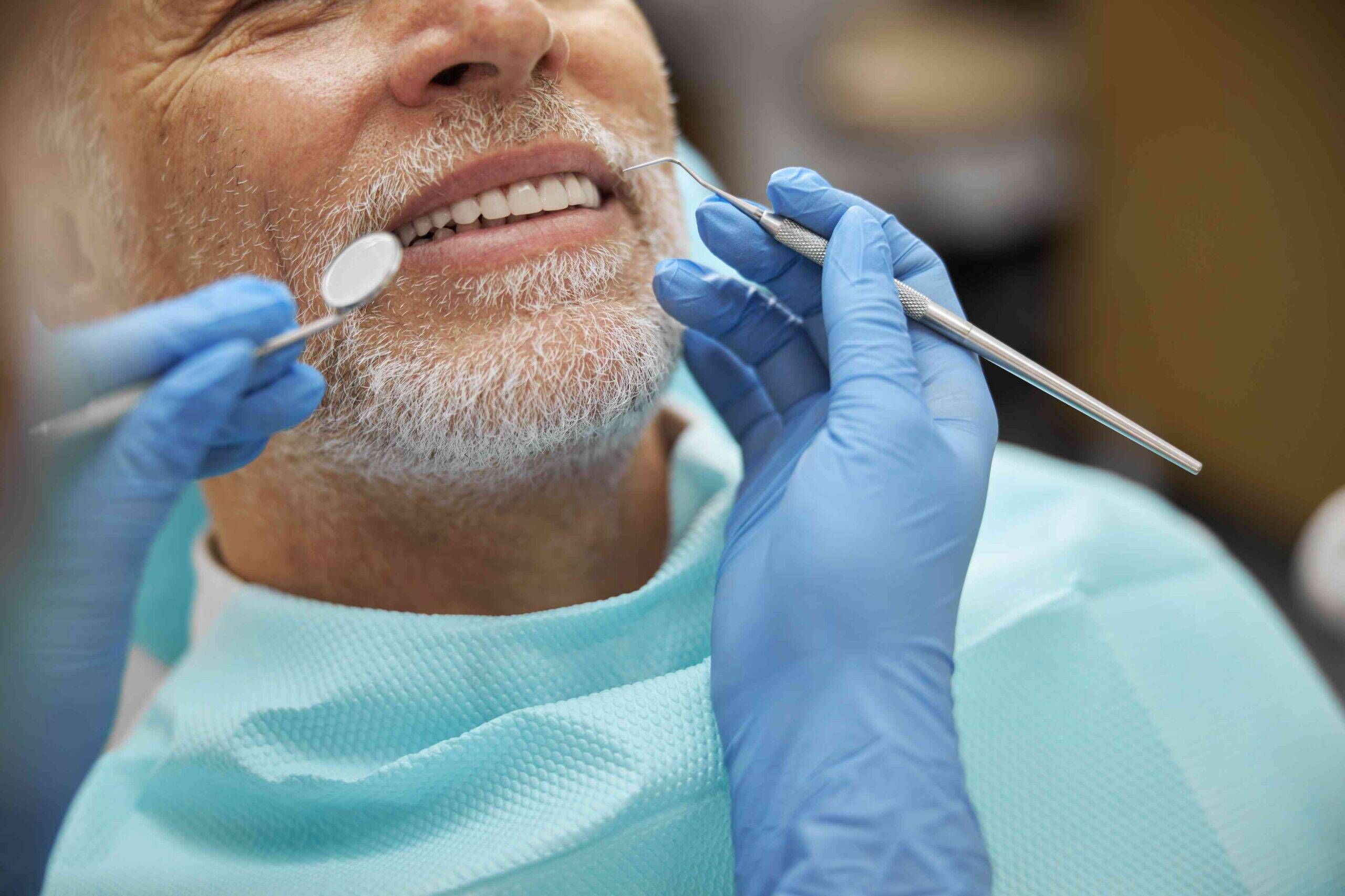
A dentist in Central Nanaimo, BC can help patients maintain oral health through dental exams, cleanings, gum checks, cavity screening, bite review, and prevention guidance. Routine visits may identify early decay, gum inflammation, tooth wear, dry mouth, sensitivity, or changes around fillings and crowns before symptoms become harder to manage. Central Nanaimo patients can use dental appointments to understand what is healthy, what needs monitoring, and what treatment may be recommended after evaluation.
Preventive dental care often begins with small details. Gums may bleed when flossing one area; a tooth may react to cold drinks, or food may keep getting stuck beside an older filling. These changes may seem minor, but they can help a dentist to know where to look more closely.
Patients searching for a dentist in Central Nanaimo, BC often want help with cleaning, exams, gum health, cavity checks, and practical daily care. A complete visit can connect what patients notice at home with what is happening in the mouth.
For Central Nanaimo patients, routine dental care is not only about keeping teeth clean. It can help track changes, explain symptoms, and guide prevention in a way that matches each person’s needs.
Why Preventive Dental Visits Matter
Brushing and flossing are important, but they cannot show any concern. Decay can begin between teeth. Gum inflammation can start without pain. Older dental work can be worn or leaked at the edges.
A preventive visit gives the dentist a chance to examine teeth, gums, bite pressure, oral tissues, and existing restorations. X-rays may be recommended when hidden areas need to review.
Central Nanaimo patients can use these visits to ask about small concerns before they become more complex. A finding may need treatment, monitoring, or a simple change in daily care.
What Dentist Central Nanaimo BC Visits May Include
A dentist in Central Nanaimo, BC appointment may begin with a review of symptoms, health history, medications, past treatment, and home care habits. Patients should mention sensitivity, bleeding gums, dry mouth, jaw soreness, food trapping, or rough dental work.
The dentist may examine the teeth, gums, tongue, cheeks, jaw movement, bite, and restorations such as fillings, crowns, bridges, dental implants, or dentures. A professional cleaning removes plaque and tartar from areas that are difficult to clean at home.
After the visit, patients should understand the findings. Some may need routine prevention only, while others may need gum care, filling, crown evaluation, bite monitoring, or another treatment.
Cleanings Help Manage Plaque and Tartar
Plaque builds up on teeth every day. If it stays in place, it can harden into tartar, especially near the gumline and between teeth.
Tartar cannot be removed with a regular toothbrush. Professional cleanings help remove buildup that may irritate the gums.
A teeth cleaning Central Nanaimo visit can also show where plaque returns most often. That feedback may help patients adjust brushing technique, flossing routine, or cleaning tools.
Gum Health Should Be Tracked
Gum concerns can develop quietly. Bleeding, puffiness, tenderness, recession, or deeper gum pockets may suggest inflammation or gum disease risk.
Gum measurements help track the support around each tooth. These numbers can be compared over time to see whether the gums are stable or changing.
Central Nanaimo patients should mention bleeding even if it happens only sometimes. One bleeding spot may point to Tartar, trapped food, or a hard-to-clean area.
Cavities May Not Hurt Early
Cavities can begin without strong pain. Decay may form in grooves, between teeth, near the gumline, or around older fillings.
Some patients notice sweet sensitivity, cold sensitivity, food catching, or a dark spot. Others feel nothing until the cavity has grown deeper.
The dentist may use an exam and X-rays when needed to decide whether an area needs treatment or monitoring. Early review gives patients more time to understand their options.
Sensitivity Needs the Right Cause
Tooth sensitivity can happen for many reasons. Gum recession, enamel wear, cavities, cracks, clenching, whitening products, or bite problems may all play a role.
The pattern of discomfort matters. A quick cold zing may mean something different from lingering heat pain. Pain when biting may point to a crack or bite issue.
Patients should describe what triggers the sensitivity, how long it lasts, and where it happens. These details help guide the diagnosis.
Bite Wear Can Show Up Slowly
Grinding and clenching can affect teeth without obvious pain. The dentist may see flattened enamel, small chips, worn edges, or signs of extra pressure.
Patients may notice jaw tightness, morning soreness, headaches, or teeth that feel tired. Bite pressure can also affect crowns, fillings, and bonding.
A bite review can help identify areas under extra stress. Depending on the findings, monitoring or protective options may be discussed.
Existing Dental Work Needs Monitoring
Dental work does not stay unchanged forever. Fillings can chip, crowns can collect plaque at the edges, and bridges may become harder to clean around.
Patients may notice floss shredding, food trapping, rough edges, or a change in bite. Sometimes concerns are found during the exam before discomfort begins.
Routine checks help decide whether a restoration is stable, needs repair, or should be watched. This helps patients plan care instead of reacting to sudden problems.
Home Care Should Be Personal
Preventive advice works best when it matches the mouth. A patient with tight contacts may need different tools than someone with gum recession, crowns, bridges, or implants.
The dental team may suggest floss, small brushes, floss threaders, water flosser, fluoride toothpaste, or changes in brushing technique. Tool choice depends on the exam.
Central Nanaimo patients should ask which areas collect plaque most often. Specific guidance is easier to use than a general reminder.
What Patients May Value from Preventive Dental Care
Preventive visits help patients understand small changes before they become larger concerns.
Patients may value:
- Professional plaque and tartar removal
- Gum health tracking
- Cavity screening
- Sensitivity evaluation
- Bite and tooth wear review
- Checks around older dental work
- Home care tips for specific areas
- Clear follow-up planning
These benefits depend on oral health, daily habits, and risk factors.
What to Expect Before During and After
Before the visit, patients can think about changes since their last appointment. Bleeding, sensitivity, dry mouth, jaw soreness, food trapping, or rough dental work should be shared.
During the visit, the dental team may complete a cleaning, exam, gum measurements, oral tissue check, bite review, and X-rays when needed. Findings should be explained in a simple language.
After the visit, patients should know whether they need routine care, monitoring, home care changes, or treatment. A clear next step makes dental care easier to follow.
Local Patient Review
“I asked about bleeding in one area and learned where the buildup was collected. The visit made my home care routine easier to understand.”
Building Prevention Around Real Findings
Preventive dental visits help Central Nanaimo patients understand gum changes, sensitivity, bite wear, cavity risk, and older dental work before concerns become harder to manage. Cleanings and exams are most useful when paired with clear daily care guidance. With Terminal Park Dental Clinic, preventive dentistry can focus on practical advice, steady monitoring, and long-term oral health.
Frequently Asked Questions
How often should I see a dentist in Central Nanaimo?
Your schedule depends on cavity risk, gum health, medical history, and existing dental work. The dentist can recommend timing after an exam.
Why do my gums bleed when I floss?
Bleeding may come from plaque, tartar, gum inflammation, or a hard-to-clean area. It should be checked if it continues.
Can a dentist in Central Nanaimo, BC check tooth sensitivity?
Yes, sensitivity can be reviewed with an exam, symptom questions, bite tests, and X-rays when needed. The cause guides treatment.
Do I need X-rays at every visit?
Not always. X-rays are recommended based on symptoms, risk level, dental history, and what the dentist needs to evaluate.
Why does food keep getting stuck near one tooth?
Food trapping may come from spacing, decay, gum changes, or restoration shape. The area should be checked if it keeps happening.
Can old fillings be checked during a cleaning visit?
Yes, the dentist can check old fillings for cracks, rough edges, decay, and bite pressure during routine care.
Can dry mouth raise cavity risk?
Yes, saliva helps protect the enamel. Dry mouth may make cavities more likely and should be discussed at dental visits.
What should I ask during a preventive visit?
Ask where plaque collects, whether your gums are stable, and if any teeth or restorations need monitoring.